.png)
South Africa's Regenerative Agriculture Revolution: How Farmers Are Healing the Land and Their Livelihoods
Discover how South African farmers are adopting regenerative agriculture to restore soil health, improve yields, and build climate-resilient businesses.
Table of Contents

Introduction: A Movement Taking Root
South Africa's agricultural landscape is at a crossroads. Decades of intensive, input-heavy farming have left millions of hectares of land degraded, compacted, and depleted of the microbial life that makes healthy soil productive. At the same time, mounting climate pressures - erratic rainfall, extreme heat events, and shifting seasons - are pushing conventional farming systems to their limits.
Yet across the country, a quiet revolution is underway. From the wheat fields of the Swartland to the smallholder plots of KwaZulu-Natal, a growing number of farmers are turning to regenerative agriculture - a science-backed, nature-aligned approach to farming that prioritises soil restoration, biodiversity, and long-term resilience over short-term yields.
For organisations like RegenZ, this shift isn't just an environmental imperative. It's an economic one. And it's creating opportunities that stretch from the smallest emerging farmer all the way to international markets.
What Is Regenerative Agriculture - and Why Does It Matter in South Africa?
Regenerative agriculture goes beyond simply reducing harm. Where conventional farming asks 'how do we grow more?', regenerative agriculture asks 'how do we grow better?' - in a way that actually improves the land over time.
The core principles include minimising soil disturbance through no-till or low-till practices, maintaining permanent soil cover with cover crops, integrating diverse crop rotations to break pest and disease cycles, incorporating managed livestock grazing to mimic natural ecosystem dynamics, and building soil biology through compost, microbial inoculants, and biostimulants rather than synthetic chemistry.
South Africa provides a particularly compelling case for this transition. Our country's soils have been identified as among the most carbon-depleted on the continent. Research consistently shows that South African agricultural soils have lost significant organic matter over the past century of intensive cultivation. Rebuilding that organic matter - through regenerative practices - sequesters carbon, improves water retention, reduces input costs, and dramatically boosts long-term productivity.
The Science Behind Soil Restoration
Healthy soil is not merely a growing medium - it is a living ecosystem. A single teaspoon of thriving agricultural soil contains more microorganisms than there are people on earth. These bacteria, fungi, protozoa, and nematodes form complex networks that cycle nutrients, suppress disease, and regulate the water dynamics that keep crops alive through drought.
Mycorrhizal fungi, for example, extend plant root systems by orders of magnitude, unlocking phosphorus and trace minerals that roots cannot access alone. Nitrogen-fixing bacteria reduce the need for synthetic fertilisers. Predatory nematodes keep harmful pest populations in check.
When soil is repeatedly tilled and drenched in synthetic agrichemicals, these networks collapse. The result is a soil that is biologically inert - requiring ever-increasing inputs to maintain yields. Regenerative agriculture rebuilds these networks, allowing farmers to progressively reduce their reliance on costly inputs while improving crop quality and resilience.
South African Farmers Leading the Way
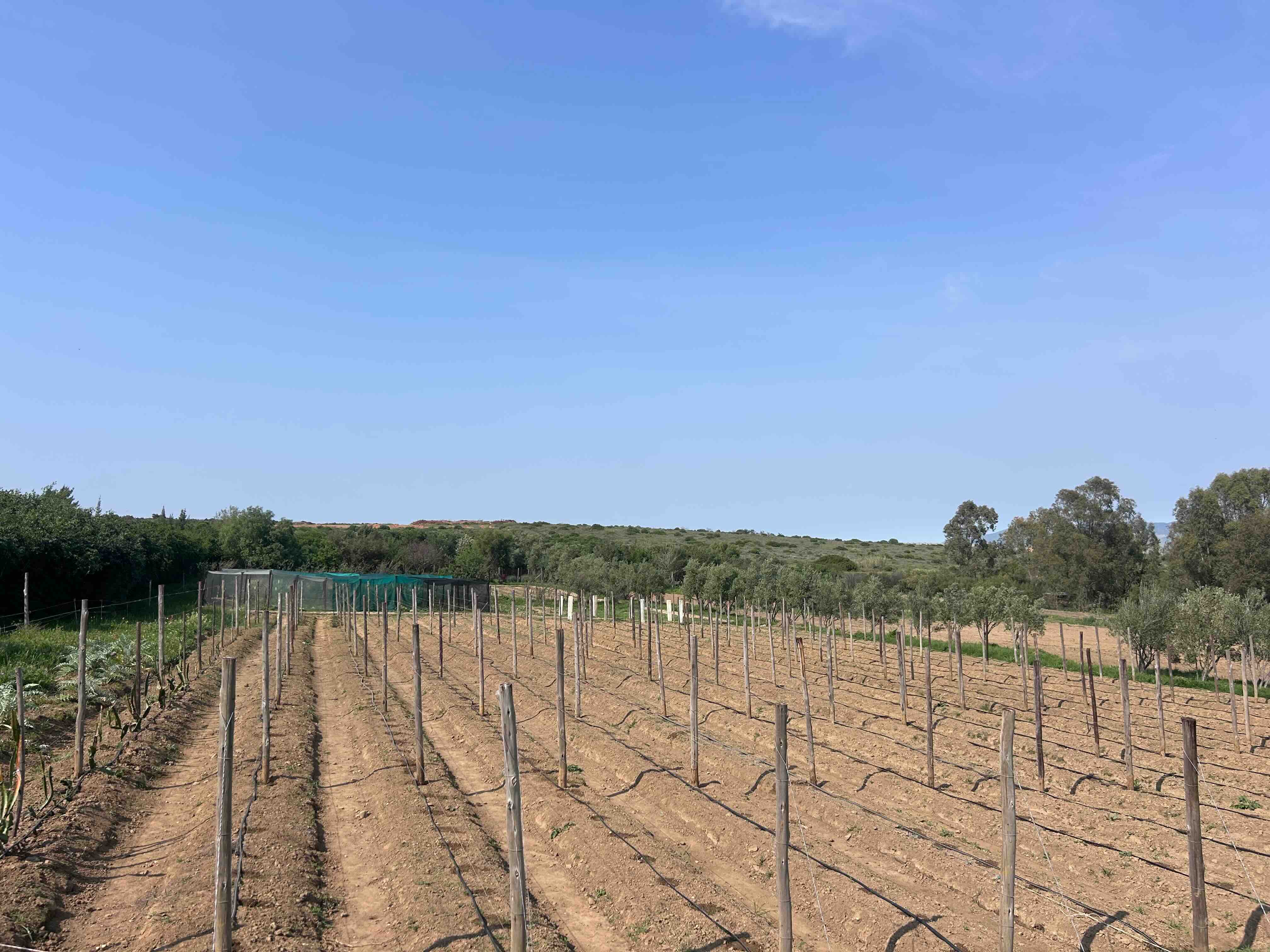
Across South Africa's diverse growing regions, regenerative pioneers are demonstrating what's possible. In the Western Cape's Swartland, farms like Goedgedacht are applying microbial biostimulants and cover crop programmes to revive soils that have been farmed for generations. Early results show improved moisture retention, better germination rates, and measurably richer soil biology.
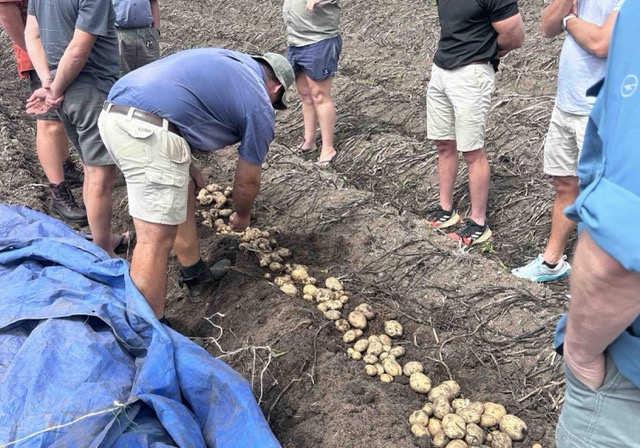
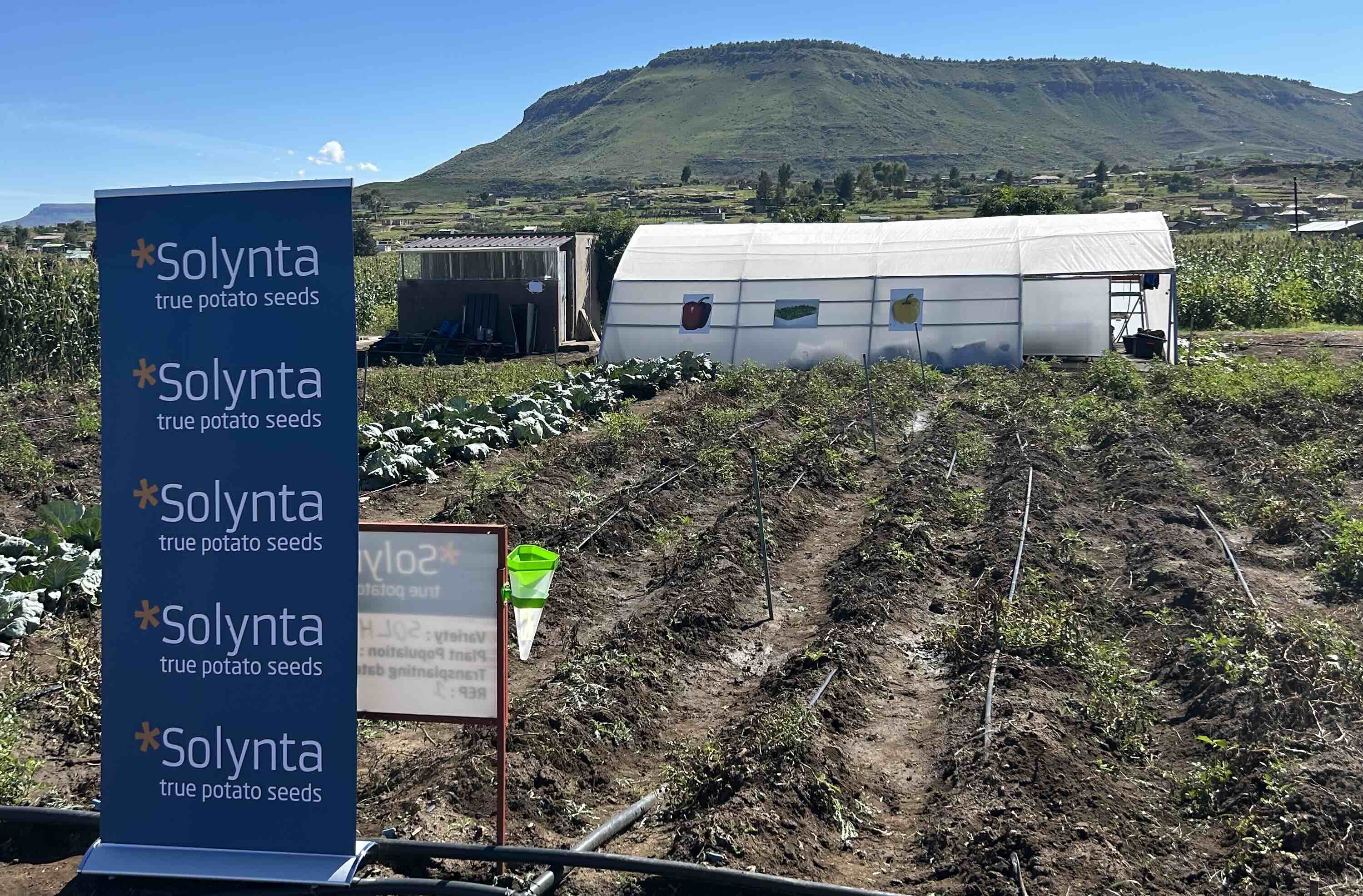
In KwaZulu-Natal, smallholder farmers participating in trial programmes are discovering that conservation agriculture - combining no-till, crop rotation, and mulching - can deliver comparable yields with dramatically lower input costs. For farmers working on tight margins with limited access to finance, this reduction in cost is transformational.
The economic argument is increasingly compelling. As synthetic fertiliser prices remain volatile due to global supply chain pressures and energy costs, the ability to progressively reduce dependence on these inputs represents a significant competitive advantage.
The Role of Microbial Innovation
One of the most exciting frontiers in South African regenerative agriculture is the development and commercialisation of microbial products tailored to local soil conditions and crop systems. Unlike imported agrichemicals formulated for Northern Hemisphere soils, locally developed biostimulants and microbial inoculants can be calibrated to the specific challenges South African farmers face.
Products like RegenZ's Beyond range - which includes beneficial fungi, bacterial consortia, and organic soil amendments — are designed to work with, not against, natural soil processes. The aim is not to replace the soil food web but to restore and amplify it.
These products are finding uptake across the full spectrum of South African farming, from large commercial operations seeking to reduce chemical costs to smallholder farmers making their first steps into formal markets.
Regenerative Agriculture and Climate Resilience
South Africa's farmers are operating in one of the world's most climate-vulnerable regions. The Western Cape has experienced significant shifts in rainfall patterns over the past decade. The eastern regions of the country face increasing temperatures and irregular precipitation. For farmers already operating on thin margins, a single drought season can be devastating.
Regenerative farming practices directly address this vulnerability. Soils with higher organic matter content hold significantly more water, buffering crops against dry spells. Cover crops reduce evaporation, suppress weeds, and fix atmospheric nitrogen. Diverse cropping systems are inherently more resilient than monocultures when pests, diseases, or weather events strike.
In this context, regenerative agriculture is not simply an environmental preference - it is a risk management strategy. Farmers who invest in soil health today are building a buffer against the climatic uncertainty that defines South African agriculture in the decades ahead.
How RegenZ Supports the Transition
Making the shift to regenerative agriculture is not always straightforward. Farmers face a learning curve, upfront costs, and the challenge of transitioning gradually without compromising income. RegenZ exists to support exactly this transition.
Through soil health assessments, innovative microbial products, practical field trials, and knowledge-sharing programmes with smallholder and emerging farmers, RegenZ is building the practical toolkit that South African farmers need to make regenerative practices work on their land, with their crops, in their climate.
The Opportunity Ahead
South Africa's regenerative agriculture story is one of the country's most important economic and environmental narratives. It connects soil science and smallholder development, global sustainability trends and local food security, export competitiveness and community empowerment.
For farmers, agribusinesses, and policymakers alike, the question is no longer whether regenerative agriculture works. The evidence is clear. The question is how quickly we can scale it - and who will lead the way.
At RegenZ, we believe South Africa has the science, the farmers, and the determination to be a global leader in this space. The soil is ready. The time is now.
You may also be interested in: Conservation Agriculture vs Regenerative Agriculture: What's the difference?
About the Author

Alex Platt
Alex is Business Development Manager at RegenZ. He's inspired by the potential of regenerative farming and takes a special interest in the technology and products that are moving agriculture in a more sustainable direction.
Follow on LinkedIn: