.png)
South Africa's Chilli Sauce Industry Is Ready to Take On the World - Here's Why
South Africa has the climate, farmers, and flavour heritage to compete globally in the booming chilli sauce market. Discover the opportunity and how to grow it.
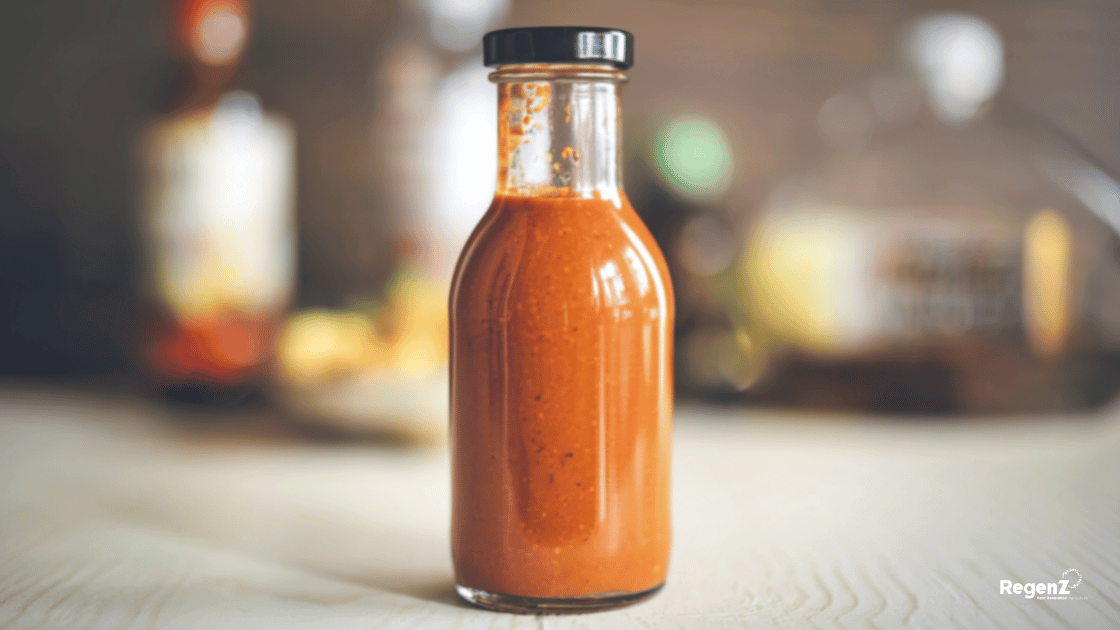
Table of Contents

A Booming Market with a South African Flavour
The global hot sauce and chilli condiment market is on fire - and the heat shows no sign of cooling. Valued at approximately USD 3.54 billion in 2025, the global hot sauce market is projected to nearly double to USD 7.1 billion by 2034, growing at a compound annual growth rate of more than 8%. The broader chilli sauce category is expected to expand from around USD 2.9 billion in 2024 to well beyond USD 5 billion within the decade.
Behind this growth is a global consumer base that is hungry, literally, for bold, authentic, and complex flavours. International cuisines are going mainstream. Gen Z and millennial food cultures celebrate heat and flavour intensity. The 'hot sauce moment' that began in the United States has become a genuinely global phenomenon, reaching into European, Middle Eastern, Asian, and African markets.
And right at the centre of this opportunity sits South Africa - a country with the climate, the agricultural heritage, the biodiversity of indigenous chilli varieties, and the farming capacity to become a major player in the global chilli sauce market. The question is whether South Africa's farming and food processing sectors are ready to seize it.
Why South Africa Has a Competitive Advantage
South Africa's positioning in the global chilli market is stronger than many realise. The country is already the second-largest exporter of green chilli in the world by shipment volume, trailing only India. South Africa's diverse agroclimatic zones - from the warm Limpopo lowveld to the temperate Western Cape and the subtropical KwaZulu-Natal coast - allow for year-round production of a remarkable diversity of chilli varieties.
The country is also home to one of the world's most celebrated chilli food traditions: peri-peri. The African Bird's Eye chilli, which forms the heart of peri-peri cuisine, grows prolifically in South African and Mozambican soils. Its unique flavour profile - a sharp, fruity heat distinct from Mexican or Asian varieties - has captured global palates through brands like Nando's and is increasingly sought by artisan food producers around the world.
Beyond peri-peri, South African chilli farmers grow an extensive range of varieties suited to different heat levels, flavour profiles, and processing applications. This diversity is a significant commercial asset in a global market increasingly dominated by speciality and artisan products that command premium pricing.
The Global Market Dynamics Favouring African Producers
Several macro trends are working in South Africa's favour in the global chilli sauce market. First, the global consumer shift toward bold, natural, and 'clean label' condiments is creating demand for products made from genuine, traceable ingredients - exactly the kind of story that South African farmers can tell authentically.
Second, the market's growth in North America and Europe - which together account for around 74% of global hot sauce revenue - is being driven significantly by multicultural food culture and the mainstreaming of spicy cuisine. South African peri-peri, in particular, is already a recognised and respected flavour profile in the UK and across Europe. This represents an established beachhead for South African producers to build from.
Third, the growing premiumisation of the condiment market - consumers trading up from commodity sauces to small-batch, artisan, and flavour-forward products - creates space for South African producers to compete on quality, story, and provenance rather than simply on price.
From Farm to Export: Building the Value Chain
Unlocking South Africa's chilli sauce export potential requires investment across the full value chain - from improved farming practices at the growing level, through aggregation and post-harvest handling, into food-safe processing and sophisticated brand development.
At the farming level, the opportunity begins with building a reliable, high-quality supply of chilli at sufficient volumes and consistency to supply processors and brand owners. This is where regenerative and sustainable farming practices play a critical enabling role. Soil health directly determines chilli quality — the flavour complexity, Scoville heat levels, and colour intensity that make a chilli commercially valuable are all influenced by the health and biology of the soil in which it grows.
Farmers who invest in soil health through microbial inoculants, compost programmes, and low-input regenerative practices produce a better product — one that commands higher prices from discerning buyers. RegenZ's Beyond product range is designed precisely to support this foundation, helping chilli farmers build the soil conditions that consistently produce high-quality fruit.
The Smallholder Chilli Opportunity
Chilli farming is labour-intensive - and that is one of its most important attributes for South Africa's agricultural development agenda. Unlike mechanised broadacre crops, chilli growing rewards careful hand-harvesting, precise timing, and the kind of attentive management that smallholder farmers excel at.
The Nando's Peri Farms model has proven this can work at commercial scale. By working through farmer aggregators and cooperatives, coordinating post-harvest handling, and providing technical support to smallholder chilli growers, Nando's built a traceable, commercially viable supply chain from African smallholder farmers. This model is replicable and scalable across South Africa's smallholder farming communities.
The Regenerative Chilli Story
One of South Africa's most powerful competitive assets in the global chilli market is a story that has yet to be fully told: regeneratively farmed, sustainably sourced, smallholder-grown chilli sauce from Africa.
In a global market where consumers are increasingly interested not just in what they eat but in how it was produced and who benefited, this story has extraordinary commercial power. A chilli sauce that restores the soil on which it grows, supports the livelihoods of smallholder farming communities, and delivers a genuinely distinctive flavour profile is not just a condiment - it is a premium product with a values proposition that resonates across the world's most demanding markets.
South Africa has the ingredients. The climate. The biodiversity. The farming communities. The processing capacity. And now, with growing retailer and manufacturer interest in sustainable, traceable supply chains, the domestic foundation from which to build international ambitions.
The global chilli sauce market is booming. It's time for South Africa to be heard, one bottle at a time.
You may also be interested in: 5 Benefits of Regenerative Agriculture for Smallholder Farmers
About the Author

Alex Platt
Alex is Business Development Manager at RegenZ. He's inspired by the potential of regenerative farming and takes a special interest in the technology and products that are moving agriculture in a more sustainable direction.
Follow on LinkedIn: