.png)
Three seasons in Bergville: what independent trials taught us about organic conservation agriculture
Three seasons of farmer-run trials, designed and measured by the Mahlathini Development Foundation, and what they showed about organic conservation agriculture.

Table of Contents

For three years, RegenZ has worked alongside the Mahlathini Development Foundation (MDF) in six villages around Bergville, KwaZulu-Natal. MDF runs climate resilient agriculture learning groups in the area, and its farmers plan, plant and measure their own conservation agriculture trials every season. From the 2024/25 season, those trials included a question we care deeply about: can an organic programme built on biological inputs stand in for chemical fertiliser on dryland smallholder maize?
MDF designed the trials, took the measurements and wrote the report. That independence is the point. The numbers below are theirs, and the full detail is on our MDF Bergville case study page.
What the farmers compared
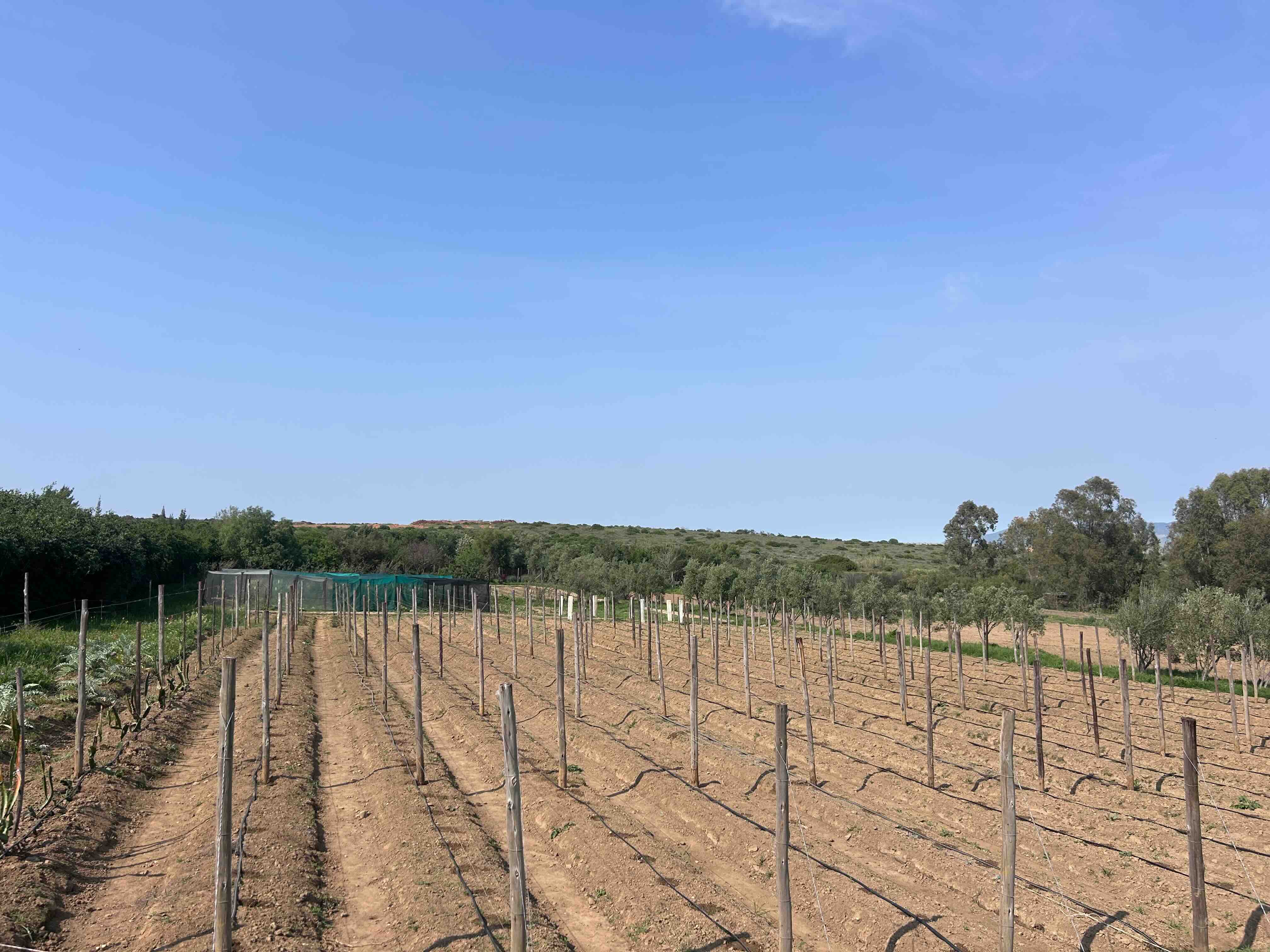
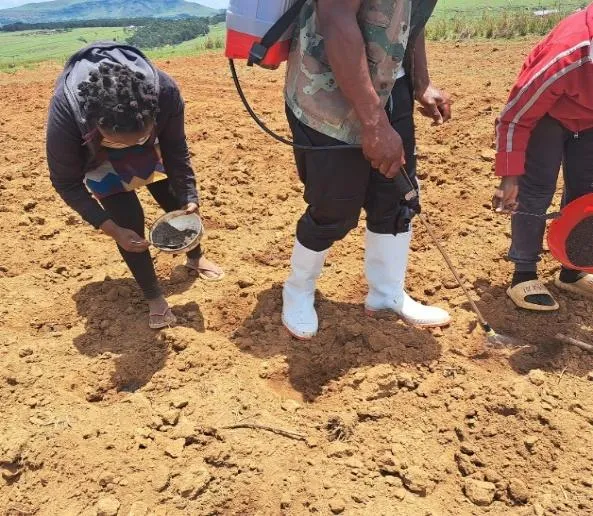
Across 1 000 m² collaboratively managed trials, farmers converted half of their long-term conservation agriculture plots to an organic system: Beyond PSP organic fertiliser blended with local compost in the furrow at planting, then weekly foliar and soil sprays of PopUp, SeaBrix and SeaBrix NPK through a knapsack sprayer. The other half stayed on the standard programme of MAP at planting with LAN top dressing. Same fields, same farmers, same seasons.
What three seasons showed
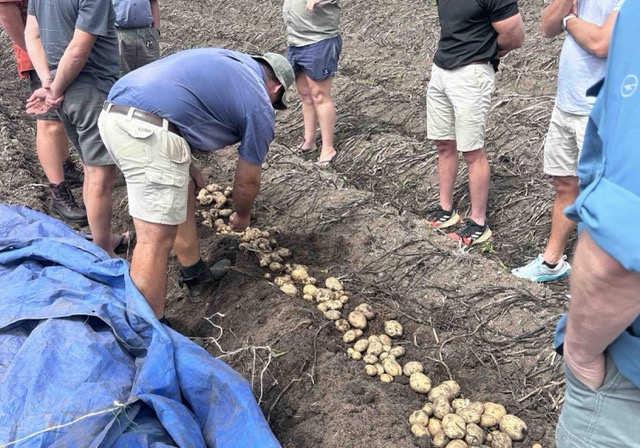
In the first organic season, yields sat below the fertiliser plots while the soil biology established: 2,98 t/ha against 3,61 t/ha. One season later the gap had closed, with organic plots at 5,3 t/ha against 5,5 t/ha, and MDF's report states it plainly: “Yields for organic CA have caught up with the inorganic CA yields after the 2nd season of implementation.” Across all 2025/26 trials, average maize yield reached 5,1 t/ha, up from 3,4 t/ha the season before.
Water told a similar story. In 2025/26, maize on the organic plots recorded higher water productivity than the fertiliser plots in three of the four villages where both systems were measured, which MDF attributes to progressive improvement in water buffering and soil health in the organic system. The report assigns the organic system a volumetric water benefit of roughly 3 000 kL/ha per year over inorganic conservation agriculture, equivalent to the water gained by clearing a hectare of invasive wattle.
The people behind the numbers
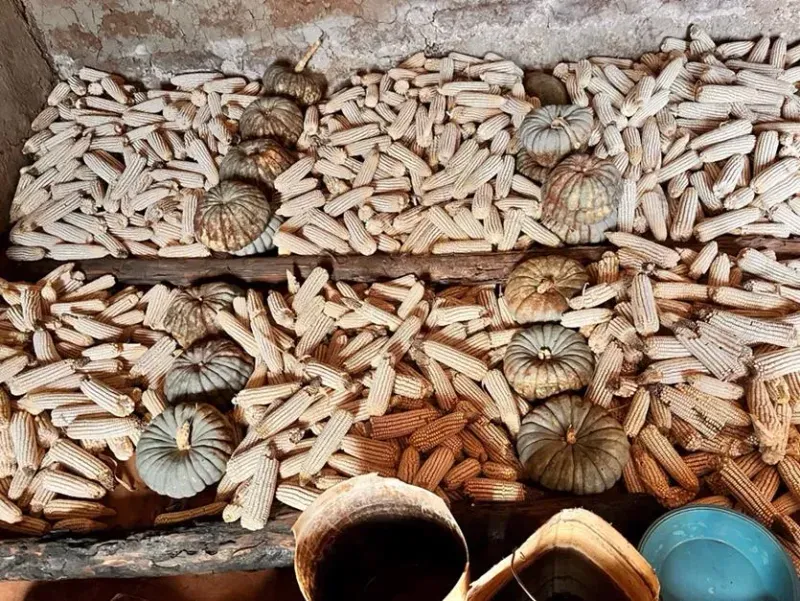
Lungile Dladla of Emajwetha averaged 6,5 t/ha and 10,6 t/ha of maize over the last two seasons, following the biological spray programme without fail. Zodwa Zikode of Ezibomvini, eight years into conservation agriculture, has averaged roughly 5,5 t/ha for the last two seasons. Nothile Zondi of Costone finally saw around 90% germination this season, with her organic and fertiliser plots indistinguishable from each other.

Read the full case study
The complete results, charts and trial design are on the case study page, including what this evidence means for funders and CSI partners and for aggregators and processors building smallholder supply.
Want to talk about a trial like this in your programme? Send us a WhatsApp.
Source: Kruger, E., Mahlathini Development Foundation, CA implementation summary 2024 to 2026 (30/07/2026). Results come from dryland smallholder trials and vary with season and site. The product named AminoNPK in the report is sold as SeaBrix NPK. Photographs courtesy of MDF.
About the Author

Ntokozo Mkhabela
Ntokozo Mkhabela manages RegenZ's technical support and expertise for farmers.
Follow on LinkedIn: