RegenZ X Kenosis: Where Children and Gardens Grow Together
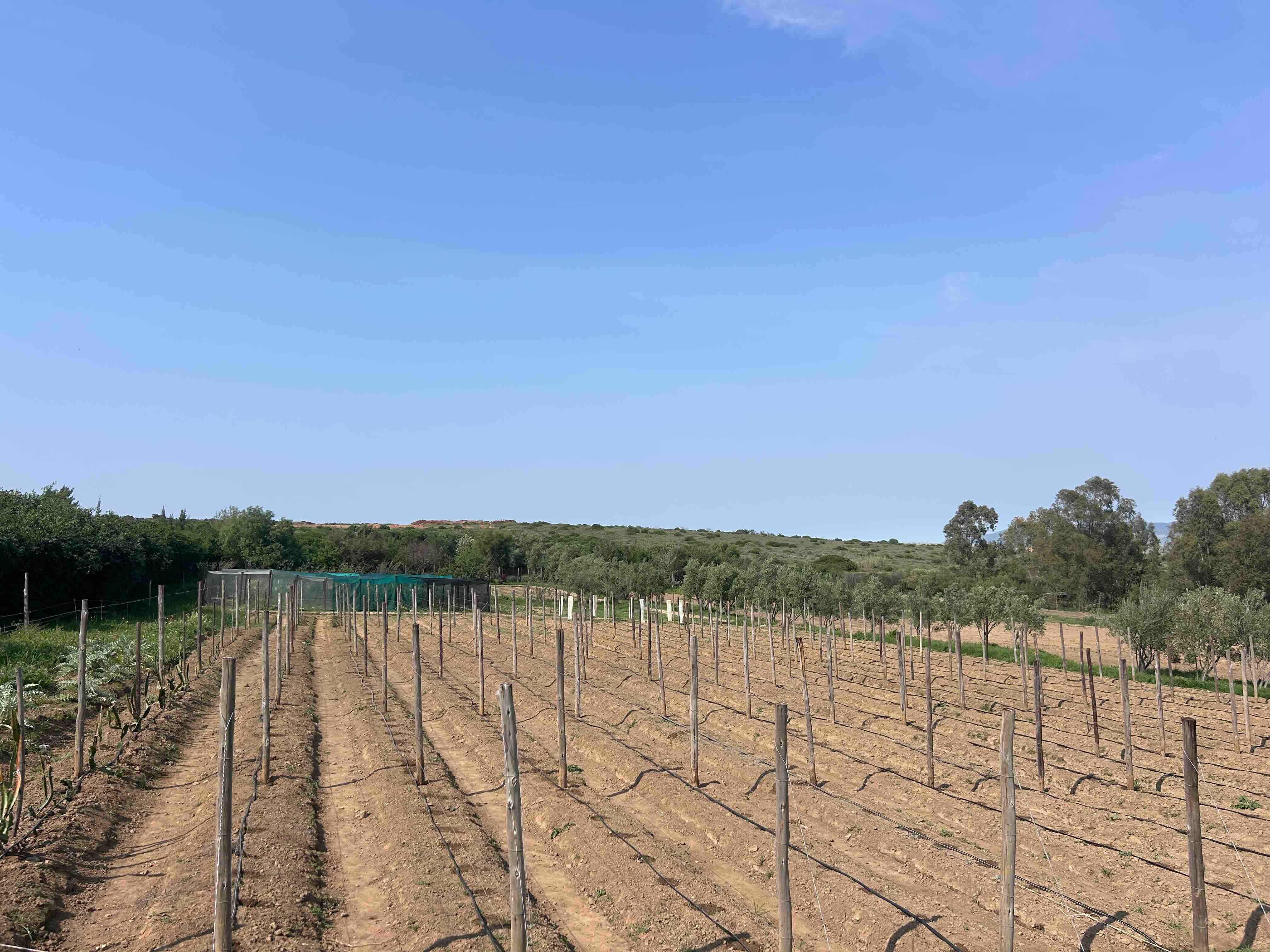
A piece of land, a willing hand and a group of children learning to grow food. Inside our community garden project with Kenosis near Pietermaritzburg.
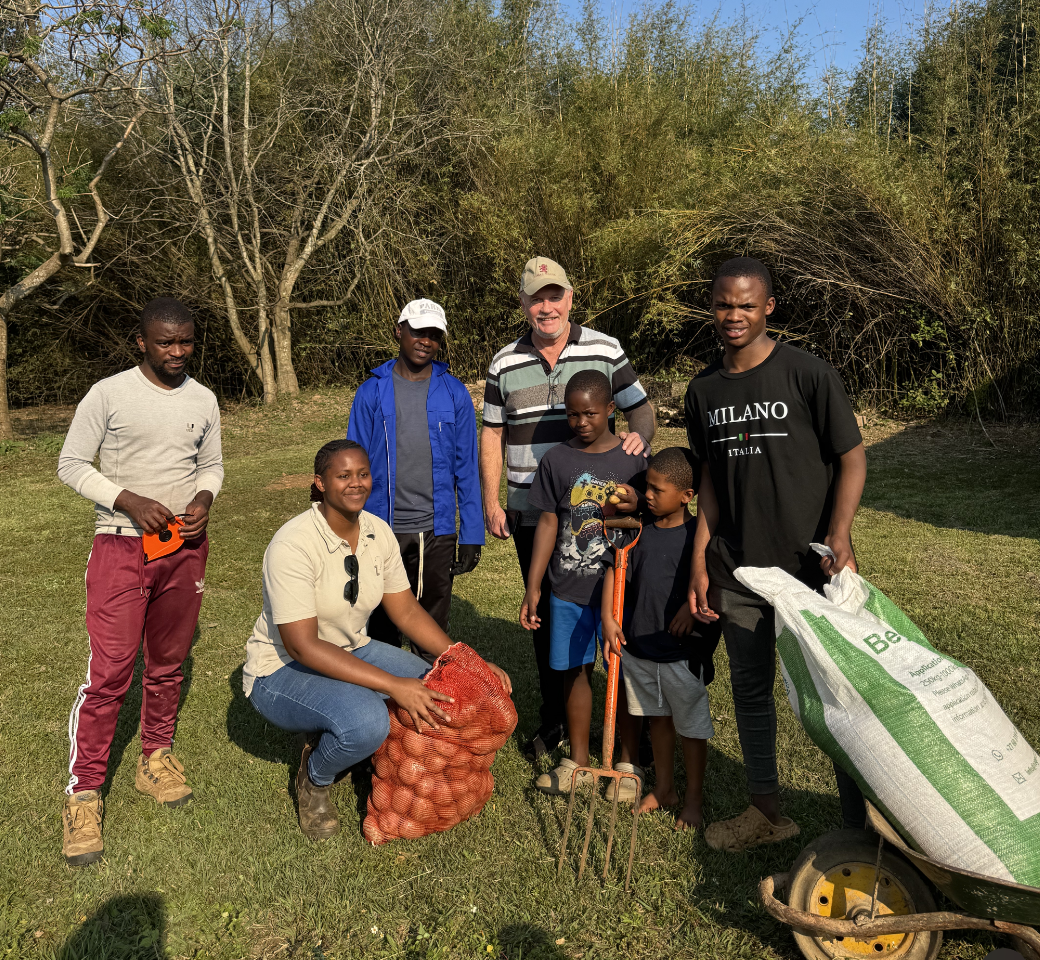
Table of Contents

Kenosis is a Christian faith-based community in Bishopstowe, outside Pietermaritzburg, caring for orphaned and vulnerable children in long-term foster homes, each run by its own foster mother. Here at RegenZ, we’ve been partnering with them on a community garden project, helping turn unused pieces of land into productive vegetable beds. Sifiso has been leading the way on site, with Dora also playing a crucial part in nurturing the gardens and helping them flourish. With the children involved at every stage, the garden continues to grow season by season, creating opportunities to learn, connect and grow food together.
Making the most of the space available
The project is about making better use of the land Kenosis already has. Small patches of ground are easy to overlook, but with the right approach they can become some of the most productive spaces on a property. Alongside vegetable crops like potatoes, we’ve been introducing cover crops to the garden. Cover crops protect and feed the soil between harvests, improving its structure and health so that every season builds on the last. It’s a simple principle with a big payoff: look after the soil, and the soil looks after you.
Part of our Feed-a-Family initiative
The work at Kenosis is part of Feed-a-Family, our initiative focused on practical food production to support food security and encourage self-sufficiency. The idea is straightforward. Even a small or previously unused piece of ground can become productive and help put food on the table.
Learning by doing
We want gardening to be practical, engaging and educational. That means getting everyone involved, from preparing beds to planting and caring for crops, so the children aren’t just watching but learning skills they can keep using on their own. Growing your own food, understanding how soil works and seeing a crop through from planting to harvest builds confidence as well as knowledge.
More than just growing food
Agriculture has a way of bringing people together. It’s about seeing potential where others might see nothing, turning new spaces into productive ground and creating something meaningful with our own hands.
Through regenerative practices, we can nurture the soil, restore the land and create spaces that give back to our communities. But beyond the food itself, there’s knowledge to share, skills to develop and an opportunity to inspire more young people to take an interest in agriculture.
Sometimes all it takes is a piece of land, a willing hand and the belief that we can grow something better together.
About the Author

Lerato Moeli
Lerato focuses on bridging the gap between agricultural science and field-led innovation, ensuring that regenerative protocols and products are effectively implemented for long-term soil health.
Follow on LinkedIn: