.png)
Synthetic Fertiliser Donations Hinder Small-Scale Farming Progress
Intent and outcome are not always the same thing. When synthetic fertiliser is handed out on its own, it can quietly hold farmers back instead of moving them forward.
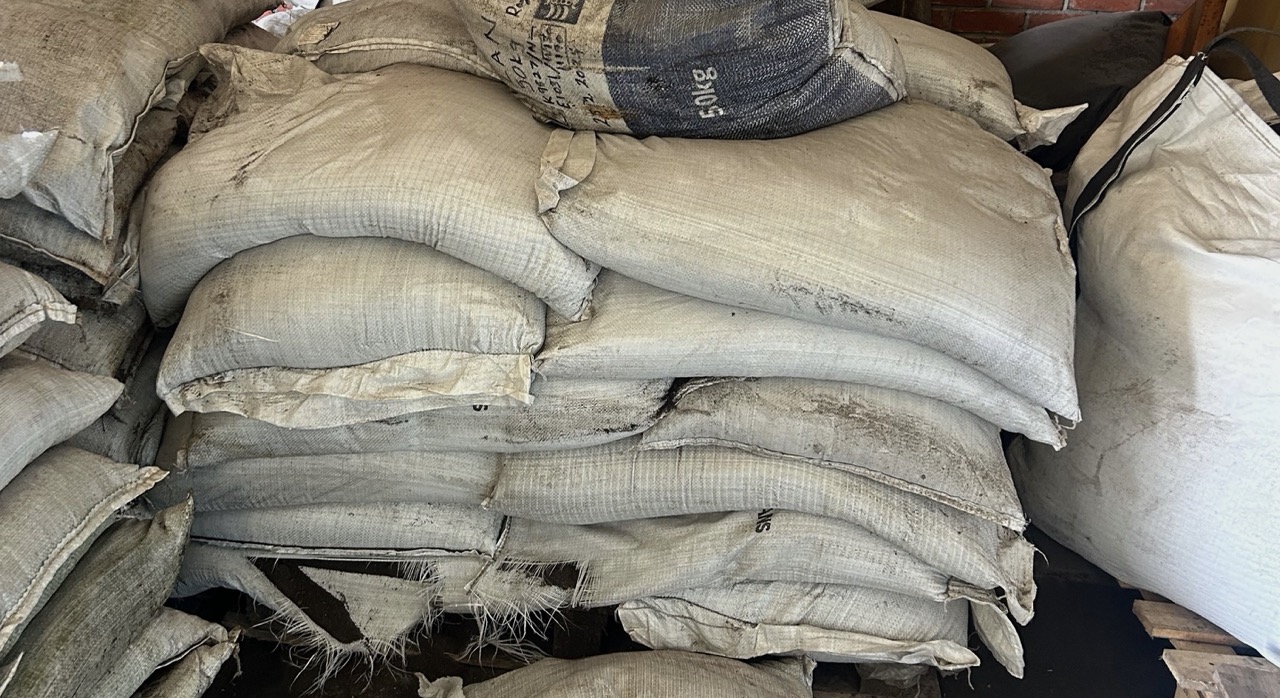
Table of Contents

Fertiliser donations come from a good place. Governments, NGOs and private programmes want to help small-scale farmers grow more food, and a bag of fertiliser feels like real, useful support. We see the value in that intent, and many farmers have benefited from it.
But intent and outcome are not always the same thing. When synthetic fertiliser is handed out on its own, without knowing what the soil actually needs, it can quietly hold farmers back instead of moving them forward. Below we look at three reasons why, and what a more accurate and wholistic programme could look like.
Fertiliser without soil results is a guess
Most donation programmes give every farmer the same product at the same rate. It is simple to run at scale, but soil does not work that way. Two plots in the same village can have very different needs. One may be short of phosphorus, another may already have enough, and a third may be too acidic for the crop to use the nutrients at all.
Research on nutrient management in sub-Saharan Africa shows that blanket fertiliser recommendations often perform poorly because soils and farm conditions vary so much from place to place. When no soil test is done first, the fertiliser may not match the problem. The farmer applies it, spends effort and money, and sees little change. Over time that experience can make farmers lose trust in fertiliser altogether.
A soil test costs a small amount up front, but it turns a guess into a plan. It tells the farmer what the soil is missing, so the input actually supports the crop rather than being wasted.
Heavy bags are hard to get home
There is also a practical problem that is easy to overlook. Donated fertiliser is often given in large, heavy bags. Many small-scale farmers collect their allocation from a central point and then have to carry it back to the farm, sometimes several kilometres, sometimes on foot or by taxi.
Studies on how farmers access subsidised inputs point out that distance and transport are real barriers. A 50 kg bag is difficult to move. It may sit at a collection point, get split and lose quality, or reach the field late in the season when the window for planting has already passed. Support that a farmer cannot physically get home is support that does not help.
Smaller pack sizes, delivery closer to the farm, and timing that matches the planting calendar would remove much of this burden.
Feeding the plant is not the same as feeding the soil
The third issue is the deepest one. Synthetic fertiliser feeds the plant directly, which can give a quick lift. But if it is the only thing added, season after season, the living part of the soil starts to suffer.
Soil health depends on biology: the microbes, fungi and other organisms that cycle nutrients and hold the soil together. A study measuring soil life under different inputs found that higher rates of synthetic NPK reduced beneficial microbe populations and lowered soil enzyme activity, while plots that included organic matter kept their biology far healthier. The researchers concluded that combining organic amendments with lower synthetic inputs gives a more positive response for soil life.
When soil biology declines, the soil holds less water, releases fewer of its own nutrients, and needs more fertiliser each year just to stand still. That is the opposite of progress for a farmer working a small piece of land.
A more accurate and wholistic approach
None of this means fertiliser is the enemy, or that donation programmes should stop. It means the design can be better. A programme that truly builds small-scale farming would:
- Start with a soil test, so each farmer gets inputs matched to their soil.
- Deliver in manageable pack sizes, close to the farm and in time for planting.
- Feed the soil as well as the plant, pairing any synthetic input with biology and organic matter so the soil improves year on year.
This is the thinking behind our work at RegenZ. We believe support for small-scale farmers should leave the soil stronger than it found it, not just fuller for one season. When we get the soil right, the farmer needs less over time, spends less, and grows more. That is real, lasting progress.
If you run or fund a farmer support programme and want to make it more soil-smart, we would be glad to talk it through.
About the Author

Alex Platt
Alex is Business Development Manager at RegenZ. He's inspired by the potential of regenerative farming and takes a special interest in the technology and products that are moving agriculture in a more sustainable direction.
Follow on LinkedIn: